☞ chapter 01
What is feminist porn?
At its core, feminist porn rests on a simple idea: filming real desire instead of a scripted performance shaped by the dominant male gaze.
Bodies aren’t shaped to fit unrealistic ideals. Scenes are not designed around rigid formulas. Instead, performers are encouraged to express their own sexuality and boundaries. Communication is visible, pleasure is mutual, and the people involved have a real voice in what happens on screen.
Contrary to common stereotypes, feminist porn is not necessarily gentle or tame. It can be tender, playful, queer, kinky, or even intense and hardcore. What distinguishes it from mainstream pornography is not the level of intensity, but the way the scenes are created.
Even a powerful or explicit scene can remain ethical and feminist if the performers’ desires, limits, and comfort are respected.
☞ chapter 02
A short history of feminist porn
Feminist porn has a history that goes back four decades. In 1984, former performer Candida Royalle founded Femme Productions and began making adult films centered on female pleasure, with fair pay and respectful sets. A radical idea at the time.
Her work landed in the middle of the feminist “sex wars” of the 1980s. Part of the movement condemned pornography altogether, while sex-positive feminists argued that the problem was not sex on screen, but the way it was produced and portrayed. That second view slowly won ground.
In the 2000s, directors like Erika Lust, Petra Joy, and Tristan Taormino built real audiences for the genre, and in 2006 the Feminist Porn Awards were created in Toronto to celebrate it. The Feminist Porn Book, published in 2013 by performers and academics together, gave the movement its manifesto.
Today’s feminist platforms are the direct heirs of that forty-year history.
☞ chapter 03
The iconic figures
Behind every era of feminist porn stand a few key names. Candida Royalle and Annie Sprinkle opened the door in the 1980s, proving that women could write, direct, and produce adult films on their own terms.
Shine Louise Houston brought queer bodies and desires to the center of the frame with Pink & White Productions, while Tristan Taormino theorized and filmed a pornography built around the performers’ own pleasure.
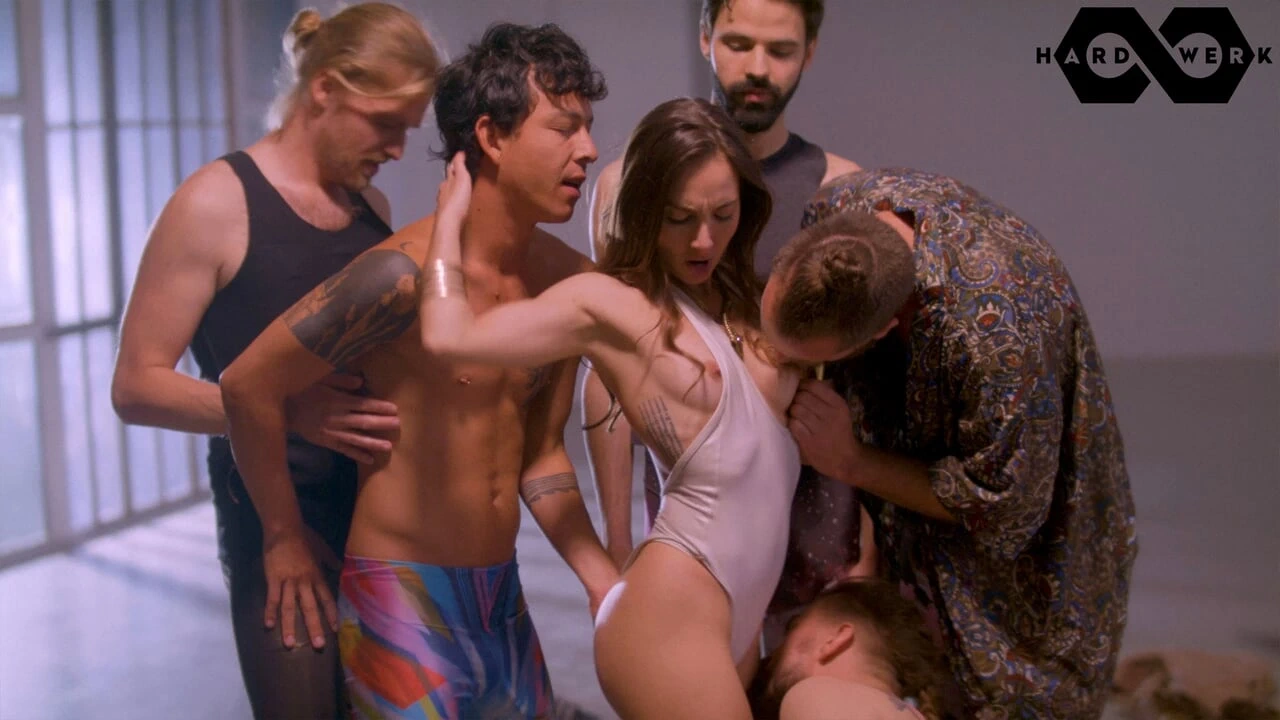
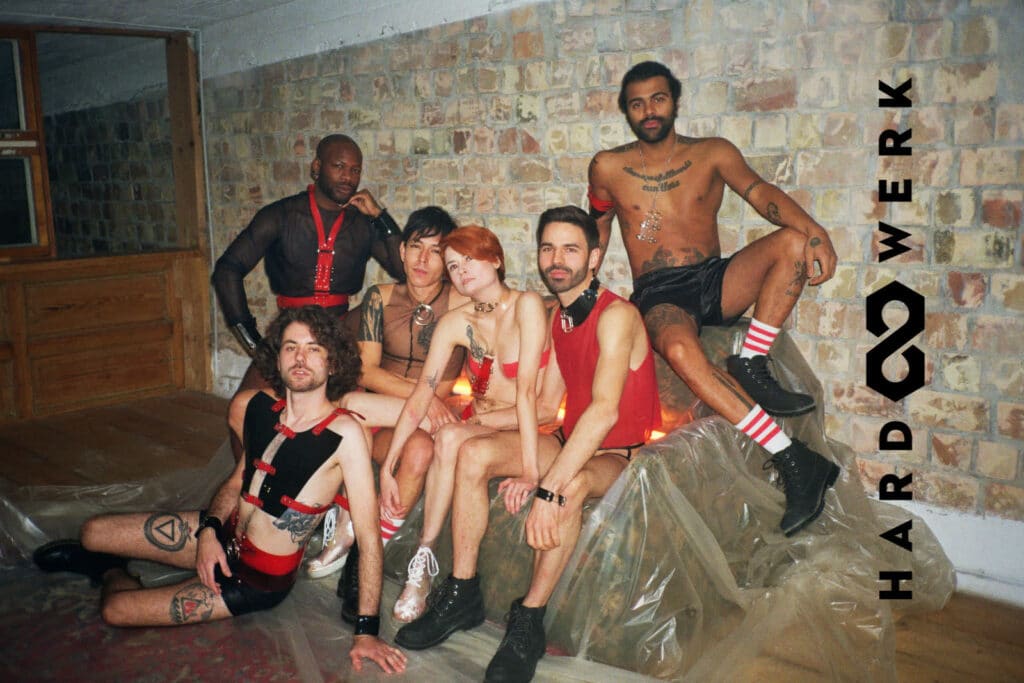
Today, Erika Lust is probably the movement’s best-known figure, running an independent studio in Barcelona that is fully transparent about its sets. Paulita Pappel, founder of Lustery and Hardwerk, carries the same values in Berlin.
Several of these directors are behind the platforms ranked at the top of this page. Supporting them means keeping that history alive.
☞ chapter 04
Why more people are turning to it
For many viewers, something about mainstream porn no longer feels satisfying. Not because of sexuality itself, but because of the way it is often portrayed.
Large platforms tend to prioritize volume and speed. Videos are produced and uploaded in massive quantities, often following repetitive formulas. Bodies look increasingly standardized, scripts feel interchangeable, and female pleasure frequently becomes secondary. Over time, this creates a sense of distance. The scenes feel less authentic, less human.
Feminist porn responds to that frustration. By slowing the pace of production and focusing on genuine interaction, it brings emotions and chemistry back to the center of the screen. When the camera stops exaggerating performance and starts capturing real reactions, the dynamic changes. The connection becomes visible, the bodies feel more alive, and desire becomes easier to relate to.
Instead of simply consuming content, viewers experience something closer to a shared moment of intimacy.
☞ chapter 05
The limits of the label
Of course, feminist porn is not a perfect world. There is no official label certifying that a production genuinely follows feminist or ethical standards. The word is increasingly used as a marketing argument, sometimes by studios that apply none of the practices behind it.
Viewers therefore have to rely on a platform’s reputation, its transparency, and the way it talks about its shoots. That is exactly why the sites ranked at the top of this page matter: they show what happens behind the scenes, explain their choices, and put the performers at the center of the work.